Forward Thinking
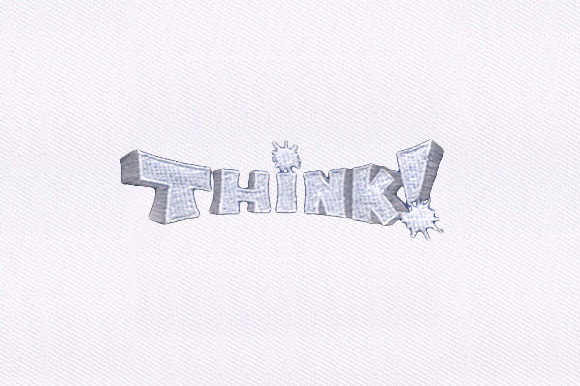
As an embroidery designer with years of experience in the craft fair and handmade market scene, I’ve seen thousands of machine embroidery designs come and go. But Forward Thinking stands out as a design that could easily become a staple in any booth or online shop. With its clean, modern aesthetic and broad range of applications, it’s a versatile piece that can be adapted to many products and customer preferences.
First Impressions: A Design That Speaks Volumes
Forward Thinking immediately conveys a sense of clarity and purpose. It doesn’t scream for attention but rather invites curiosity. The design feels modern and minimalist, making it ideal for a wide range of products. Whether you're looking to create a bold statement or a subtle accent, this machine embroidery design has the flexibility to fit both needs.
Its simplicity makes it easy to recognize at a glance, which is crucial in a busy craft fair setting. Customers walking by your table are more likely to notice something that stands out without being overwhelming. This design also has a premium feel, which can elevate the perceived value of your handmade product or craft fair item.
Where Forward Thinking Shines
When considering how Forward Thinking performs on different items, it excels on tote bags, aprons, and tea towels. These are some of the most popular craft fair products, and the design adds a professional touch that customers will appreciate. On a tote bag, it can serve as a focal point, while on an apron, it can be a subtle yet meaningful detail.
Embroidered patches are another excellent application. The design’s clean lines make it ideal for small-scale embroidery, and it can be easily adapted to different sizes. For fabric pouches and pillow covers, it offers a refined look that appeals to buyers seeking stylish, handmade home décor.
On caps and market bags, Forward Thinking maintains its visual appeal even on curved surfaces. However, it’s important to note that the design may require adjustments when applied to dark fabrics or textured materials like towel cloth. The stitch density and thread colors should be carefully chosen to ensure the design remains visible and clear.
Practical Selling and Production Points
One of the key advantages of Forward Thinking is its adaptability. It works well as both a small accent and a large focal design, giving you flexibility in how you use it across your product line. This versatility is especially valuable for small shop products and Etsy sellers who want to maximize their design investment.
For online listings, the design photographs well, especially when paired with neutral backgrounds that highlight its clean lines. It also lends itself to printable mockups, allowing you to showcase it effectively in your Etsy shop or social media posts. As a digital embroidery file, it’s easy to integrate into your workflow and can be used for commercial embroidery projects with the right licensing.
However, there are a few practical considerations. The design may not be ideal for very small sizes, where intricate details could get lost. If you’re planning to use it on thick fabrics or dark materials, test it first to ensure visibility and proper stitching. Also, consider the hoop size needed for larger versions of the design—this can affect how smoothly it stitches and how much time it takes to complete.
Careful-Use Notes for Maximum Impact
While Forward Thinking is a strong design, there are a few areas where caution is advised. Dense stitch areas might cause puckering on certain fabrics, so using the right stabilizer is essential. Tiny details could be challenging to execute, especially on textured towels or curved cap surfaces. Small lettering, if present, may need to be adjusted for readability.
Thread contrast is another factor to consider. Light-colored threads on dark fabrics may not show up as well, so choose colors that complement your target fabric. Spacing between elements in the design should also be reviewed to ensure it looks balanced and professional on all products.
Impact on Visual Appeal and Customer Engagement
Forward Thinking has the potential to significantly boost the visual appeal of your craft fair products. Its clean, modern look can attract a wide audience, from eco-conscious shoppers to those seeking elegant, handmade items. It also enhances the overall quality perception of your finished product, making it more desirable for both retail and gift markets.
As a handmade product, it reinforces the idea of thoughtful, intentional craftsmanship. When displayed on your booth, it can draw attention and spark conversations with customers. For brand consistency, it serves as a strong visual element that can be repeated across multiple items, creating a cohesive look that resonates with your target audience.
Embroidery Designer Tips for Success
To get the best results with Forward Thinking, start by testing the design on scrap fabric. This allows you to see how it looks in real life and make any necessary adjustments. Review the stitch density and ensure that the design is optimized for the fabric you plan to use. Use the appropriate stabilizer to prevent distortion, especially on delicate or stretchy materials.
Create at least one real mockup before launching your products. This helps you visualize how the design will appear on the final item and identify any issues early on. Compare fabric colors to ensure the design stands out and looks its best. Finally, always confirm the commercial licensing terms before selling finished products, as this can vary depending on the source of the embroidery file.
In summary, Forward Thinking is a smart choice for anyone looking to add a versatile, modern design to their craft fair or handmade product lineup. With careful consideration of production details and thoughtful application, it can become a standout item that attracts customers and supports your business goals.