Plastered Mobile Review
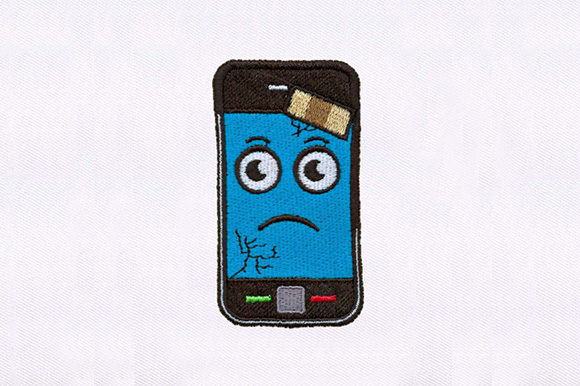
The Plastered Mobile design is a versatile and eye-catching machine embroidery design that offers a unique blend of modern and rustic charm. With its clean lines and playful texture, it has the potential to stand out in a craft fair booth or handmade shop. As an experienced embroidery designer, I've evaluated how this design performs across various products and what makes it a strong candidate for commercial embroidery and retail sales.
First Impressions of Plastered Mobile
From the first glance, Plastered Mobile feels like a design that balances simplicity with character. It has a slightly industrial yet cozy aesthetic—think of a wall-mounted mobile made from plaster, but translated into an embroidered piece. The design appears to be both decorative and functional, making it ideal for a range of craft fair products.
It doesn’t lean too heavily into any one style, which is a big plus. Whether you're going for a farmhouse look, a modern minimalist vibe, or something more whimsical, Plastered Mobile can adapt. Its neutral base allows for creative interpretation through thread colors and fabric choices, giving it broad appeal.
Performance on Different Craft Fair Products
Plastered Mobile works well as a tote bag design, especially when placed as a focal point on the front. Its size and shape make it easy to spot from a distance, which is crucial for attracting attention at a busy craft fair booth. On apron embroidery, it adds a subtle yet stylish detail that complements the overall look without overwhelming the garment.
For tea towel embroidery, the design holds up well, especially when using contrasting thread colors. It also translates nicely into embroidered patches, where the texture can be emphasized for added visual interest. On caps, the design may require some adjustment depending on the hoop size, but it’s still viable as a small accent.
Fabric pouches and pillow covers are great platforms for Plastered Mobile, allowing the design to shine as a statement piece. Market bags and handmade gifts benefit from the design's ability to add a touch of personality without being too flashy. It’s also a solid choice for printable mockups and Etsy listings, where visual appeal is key.
Practical Selling and Production Considerations
One of the most important factors for craft fair sellers and handmade product creators is how easy a design is to produce in bulk. Plastered Mobile appears to be well-suited for batch production, provided that the stitch density is manageable. However, it’s essential to test the design on different fabrics to ensure it doesn’t become too dense or lose definition.
When photographing for online listings, the design benefits from a clear background and good lighting to highlight its texture. For Etsy sellers, it’s important to showcase the design on multiple products to demonstrate its versatility. The design assets should be optimized for quick loading and high resolution to maintain quality across digital platforms.
Careful-Use Notes for Embroidery Designers
While Plastered Mobile is visually appealing, there are some considerations to keep in mind. Areas with dense stitch patterns may cause issues on thick fabrics or textured towels, so testing on scrap fabric is highly recommended. Small lettering or intricate details might not hold up well at smaller sizes, so it’s best to use the design as a larger focal point rather than a tiny embellishment.
On curved cap surfaces, the design may require slight adjustments to fit properly. Dark fabric backgrounds could make the design less visible, so choosing the right thread colors is critical. Always confirm the hoop size and stabilizer type before starting a project to avoid common embroidery pitfalls.
Impact on Visual Appeal and Customer Engagement
Plastered Mobile has the potential to draw in customers with its unique texture and modern feel. In a craft fair setting, it stands out as a design that feels both handmade and professional. Its visual appeal helps elevate the perceived value of the finished product, making it a strong addition to small shop products and boutique collections.
As a brand consistency tool, the design can be used across multiple items, reinforcing a cohesive aesthetic. It also enhances booth display strength by offering a variety of applications, from tote bags to pillow covers. For buyers, the design provides a sense of quality and creativity, encouraging engagement and repeat purchases.
Embroidery Designer Notes for Success
Before finalizing any production, I recommend testing the design on different fabrics to assess how it behaves. Check the thread colors against the fabric to ensure visibility and contrast. Review the spacing between elements to avoid overcrowding, and confirm the correct hoop size for your machine.
Inspect the stitch density to ensure it’s suitable for your intended fabric type. Using the right stabilizer is crucial for maintaining the design’s integrity, especially on delicate or stretchy materials. Create at least one real mockup to see how the design looks in person, and compare fabric colors to find the best match for your target audience.
Finally, always verify the commercial licensing terms of the embroidery file before selling finished products. This ensures that you’re compliant and avoids any legal issues down the line.
Conclusion: Why Plastered Mobile Works for Craft Fairs
Plastered Mobile is a strong contender for craft fair and handmade market products due to its versatility, visual appeal, and practicality. Whether you're an Etsy seller, a Cricut crafter, or a boutique maker, this design offers a range of applications that can help you stand out in a competitive space.
With careful consideration of fabric, thread, and production techniques, Plastered Mobile can become a valuable addition to your collection of machine embroidery designs. It’s a design that not only looks good but also has the potential to sell well, making it a smart choice for any embroidery business looking to expand their offerings.